
9th August
Today, marks the last day before I start working at the Sunabe Skate Shop so I wanted to
make use of this to dedicate this post to the mobility concept of Japan and a small
information about tourist safety as there was a earthquake yesterday with the
Magnitude of 7. But first why do I want to write about the mobility in Japan? The answer
is simple mobility is one of the most important aspects of Tourism so I wanted to use
this post to highlight this once more. Another reason is the huge diIerence of available
mobility in Okinawa compared to the rest of Japan.
Mobility Concept: Japan vs. Okinawa
Overview of Mobility in Japan
Japan has highly eIicient transportation systems, which allows for easy movement
between cities, regions, and even remote areas. The country’s public transportation
network consists of:
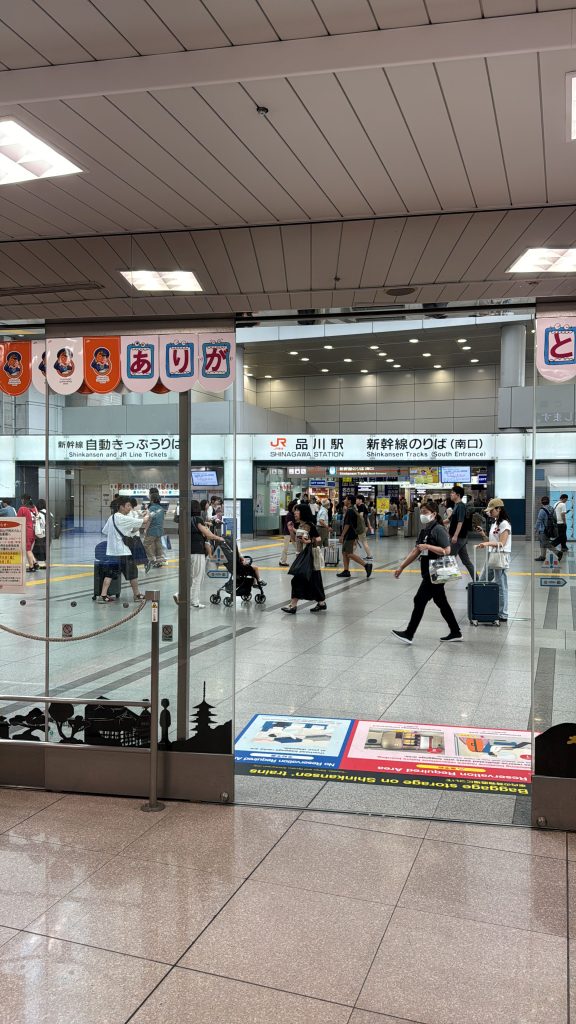
Rail Systems: Japan’s rail network, including the famous Shinkansen (bullet trains),
connects most major cities quickly and efficiently. JR (Japan Railways) and private rail
companies other punctual and high-frequency services. Same goes for the Urban
subways.
Buses and Local Transit: Where rail service is unavailable, buses provide reliable
alternatives, particularly in rural or mountainous areas. Major cities also oIer well structured local bus services.
Taxis and Ride-Sharing: Taxis are widely available in urban and suburban areas, though
ride-sharing services like Uber have limited availability due to strict regulations.
Cycling and Walking: Japan’s urban planning encourages cycling and walking, with
dedicated paths, especially in cities like Kyoto and smaller towns.
Automobile Use: While public transportation is the preferred mode of travel,
particularly in cities. Car ownership is common in rural areas where public
transportation is less frequent. Road infrastructure, including highways and
expressways, is well-developed.
Mobility in Okinawa: Another Perspective
Okinawa, while part of Japan, has a distinctly diIerent mobility landscape. Due to its
geographical isolation as an island chain, transportation in Okinawa presents unique
challenges and contrasts to mainland Japan’s seamless systems.
Limited Rail Infrastructure: Unlike the rest of Japan, Okinawa has no rail network. The
only rail option is the “Yui Rail”, a monorail system in Naha, which is relatively new and
only services the city center and surrounding areas.
Bus System: Okinawa has a bus system, but its frequency, coverage, and reliability can
be lacking, especially when compared to mainland Japan. Bus services are more suited
to tourists visiting specific spots, rather than locals commuting long distances. There is
also a saying in Okinawa which says only people without a license or older people who
are not able to drive anymore ride the bus.
Car Dependency: Because of the limited public transport options, car ownership is
much higher in Okinawa. It is said that every household has atleast one car. Most locals
rely on private vehicles to get around the island. This car-centric lifestyle contrasts
sharply with the largely public transit-focused mobility on the mainland. Parking space
is not a problem, and roads are designed to accommodate high car usage.
Taxis and Ride-Sharing: Taxis are readily available, particularly in tourist-heavy areas
like Naha. However, as with the mainland, ride-sharing services like Uber are not widely
used, and taxis tend to be more expensive.
Cycling and Walking: Cycling is not as popular in Okinawa as in mainland cities due to
the island’s heat and humidity, which can make biking uncomfortable for long
distances. Walking is common in urban areas like Naha, but beyond that, the distances
are too large, reinforcing car dependency.
Conclusion and Reflection
While Japan’s mainland has one of the most efficient and accessible public
transportation networks in the world, Okinawa operates under diIerent circumstances,
relying heavily on personal vehicles due to its limited public transit options. It feels as if
Okinawa is a few decades behind. This contrast reflects both geographic and
infrastructural diIerences, with mainland Japan prioritizing public transit to cope with
high population density, and Okinawa adapting to its more dispersed and island-based
population. Whats important to note is that due to the american bases building railways
is quite diIicult as they would need to build around the bases which makes it easier to
just built roads around instead of railway systems. What I also havent noted yet is the
benefit of the IC card sysem in Japan. These are cards which can be used as chargeable
debit cards and they can be used on nearly all japanese transportation systems and you
can even pay at some vending machines or restaurants with them. They make life easy
operating between different transportation providers as all of them accept them.
That said I wanted to provide a very small insight into tourist safety as the recent
Earthquake striked my interest.
Safety in Tourism:1
Measures include:
- Advanced Early Warning Systems: Alerts for earthquakes, tsunamis, and typhoons
are sent via mobile apps “Japan OIical Travel App” , public speakers, and TV in multiple
languages. - Earthquake-Resistant Infrastructure: Hotels and public buildings are built to strict
standards to withstand earthquakes, and most have evacuation plans. - Disaster Preparedness Info: Tourist centers and hotels provide multilingual guides on
what to do during emergencies. - Emergency Kits: Hotels often provide emergency kits with essentials like water,
flashlights, and first aid. - Multilingual Support: Apps and hotlines oIer real-time disaster updates and
assistance in various languages. - Evacuation Shelters: Japan has designated shelters across the country for tourists
and residents during emergencies.2